The Role of Scent in Literature: Proust’s Madeleine and Beyond
Scent is one of the strongest triggers of human memory. In literature, authors have long used fragrance not just as a descriptive detail but as a gateway into emotion, memory, and identity.
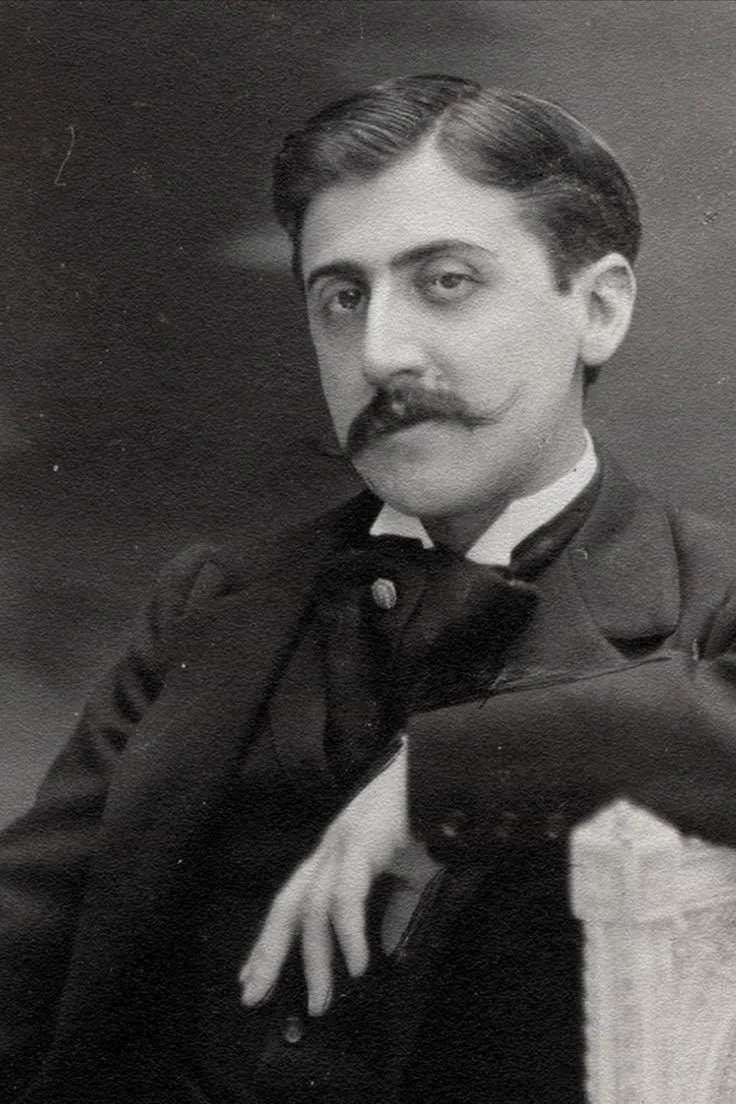
The most famous example is Marcel Proust’s “In Search of Lost Time”, where the aroma of a madeleine cake dipped in tea transports the narrator back to childhood. This moment is now known as the “Proust effect”: a scent’s ability to unlock forgotten memories.
Romanticism and Scent: Writers like Victor Hugo and Baudelaire used floral scents such as rose and jasmine as metaphors for love.
Realism: Authors like Émile Zola evoked the smells of markets, spices, and food to bring everyday life vividly to the page.
Modern Literature: Contemporary writers use scent to explore themes of identity, belonging, and nostalgia.
In literature, scent is more than a sensory detail—it is a symbol of time, memory, and the invisible threads of human experience.